Animation Craft
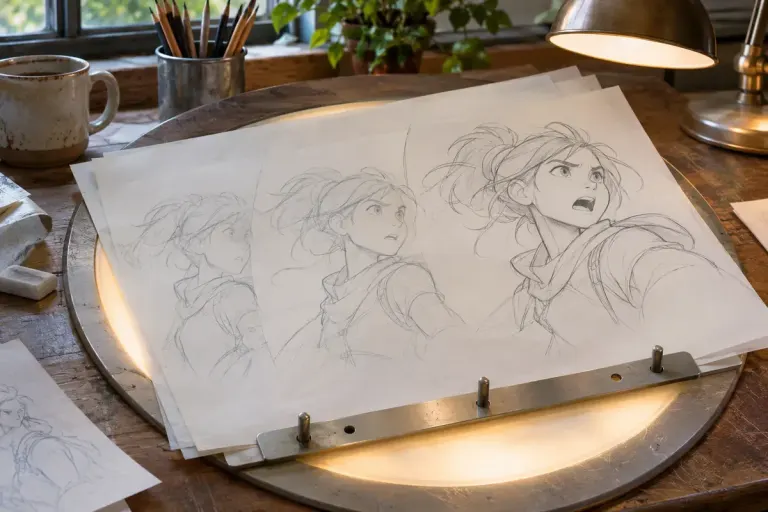
What to look for in a genga exhibition beyond the finished pose
Key-animation drawings reveal decisions that a finished frame can hide. Read exhibition labels and compare poses, notes and reproduction details.

Watch closely. Read a little further.
Key-animation drawings reveal decisions that a finished frame can hide. Read exhibition labels and compare poses, notes and reproduction details.
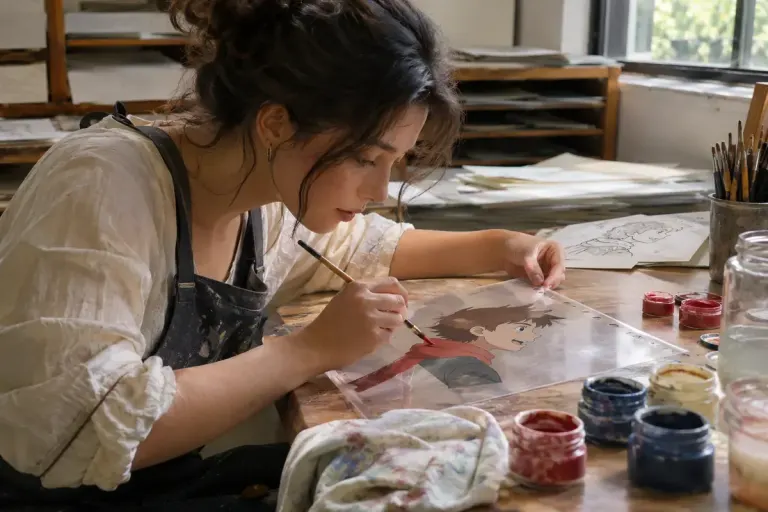
Traditional animation cels often place colour on the reverse of a clear sheet. Explore how that construction separates outlines, paint and background.
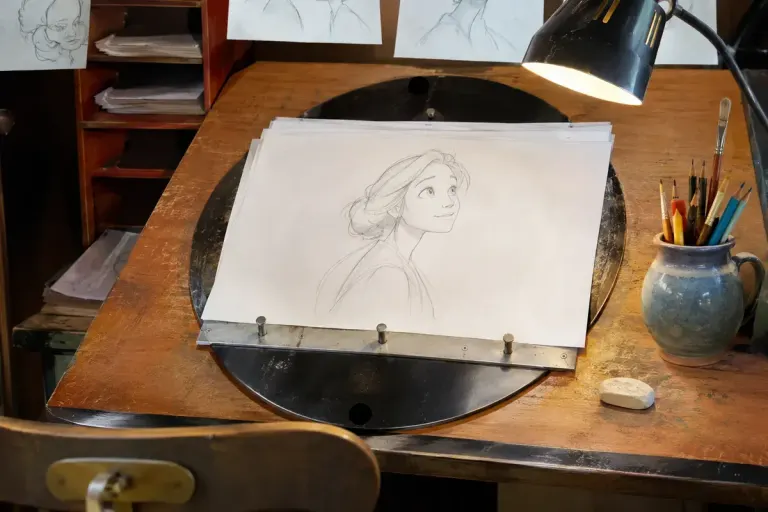
See how a peg bar keeps hand-drawn animation aligned, why registration errors cause unwanted movement, and how digital pegs differ.
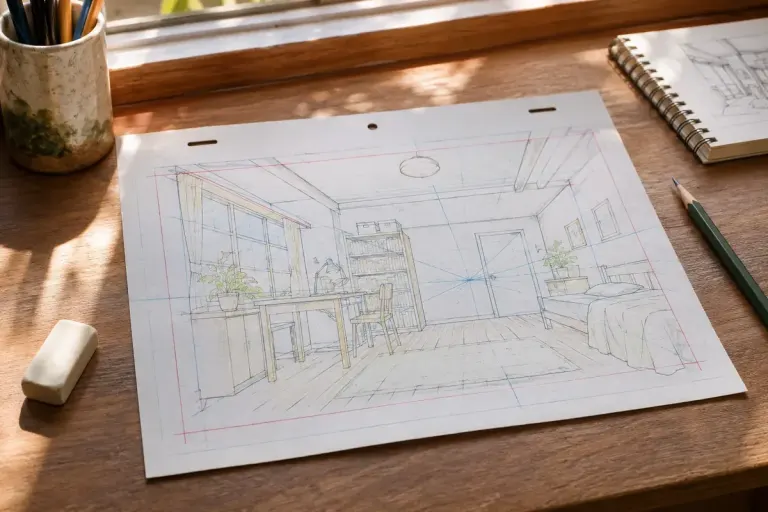
Layouts turn an animated scene into a workable space. Look at scale, perspective and camera instructions before the polished final frame.
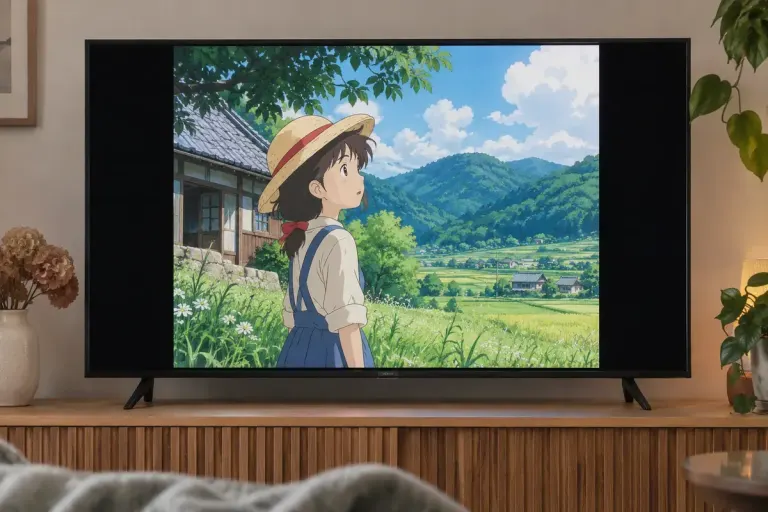
Understand the side bars around older anime, compare preserving the frame with stretching or cropping, and check the release before changing the display.
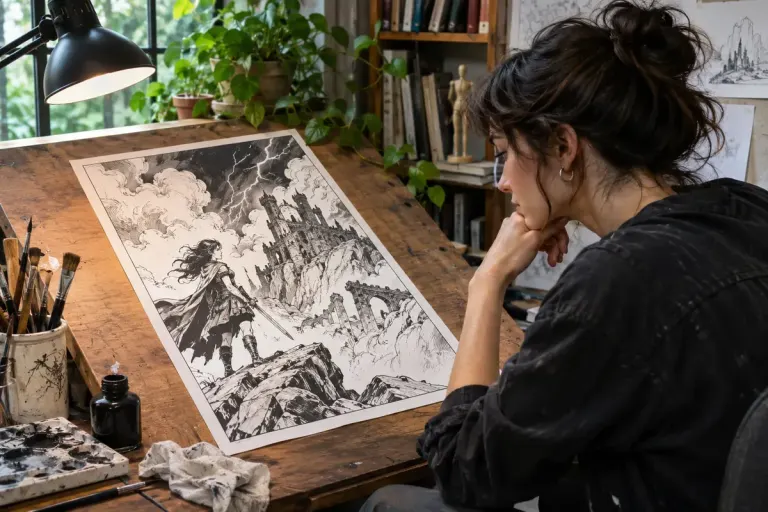
A manga splash page gives one image unusual space. Look at the page before and after it to understand how it changes emphasis and reading rhythm.

Repeated transformation animation can create recognition and rhythm. Compare the sequence’s context before dismissing every reused shot as the same scene.
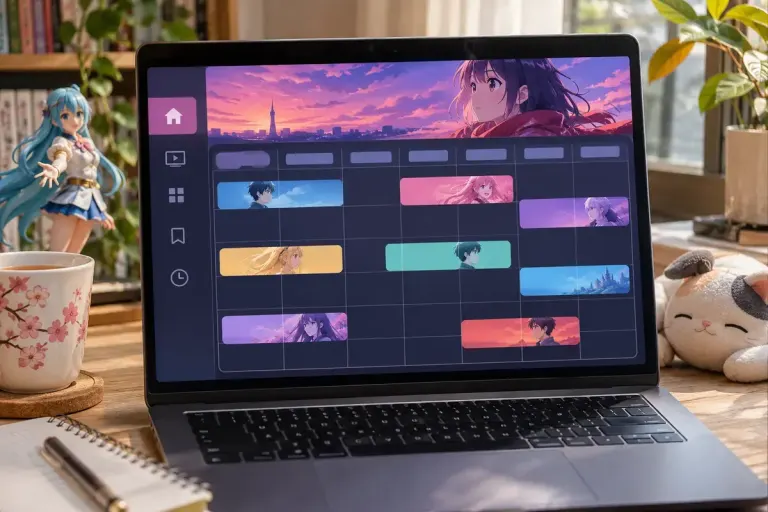
Cour labels describe broadcast blocks, while season labels can group a series differently. Read the announcement and episode order before starting the next release.
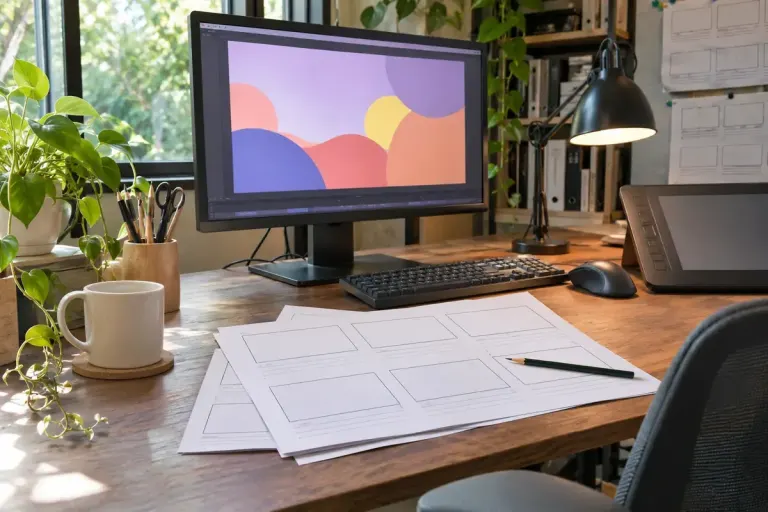
Anime credits can name both a production committee and an animation studio. Learn how those roles differ without assuming the credits reveal every contract or decision.