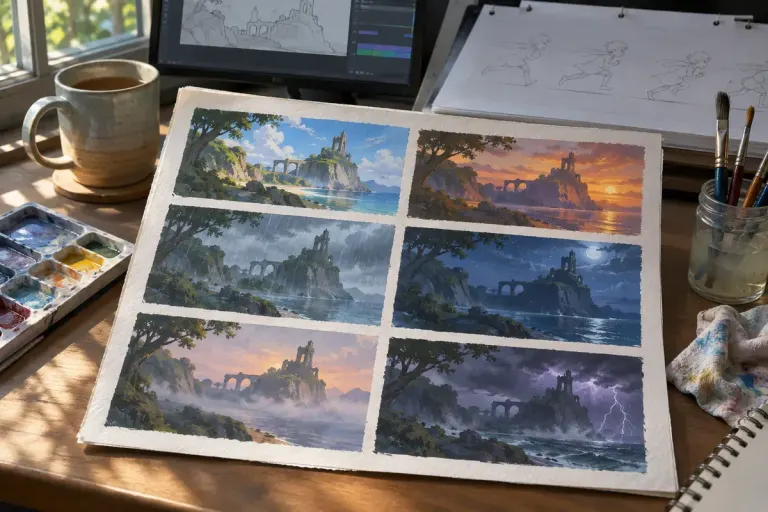
Animation Craft
A colour script plans the mood across a sequence
Read colour changes across an animated sequence and distinguish a colour script’s planning role from a fixed dictionary of emotional meanings.

Watch closely. Read a little further.
Read colour changes across an animated sequence and distinguish a colour script’s planning role from a fixed dictionary of emotional meanings.
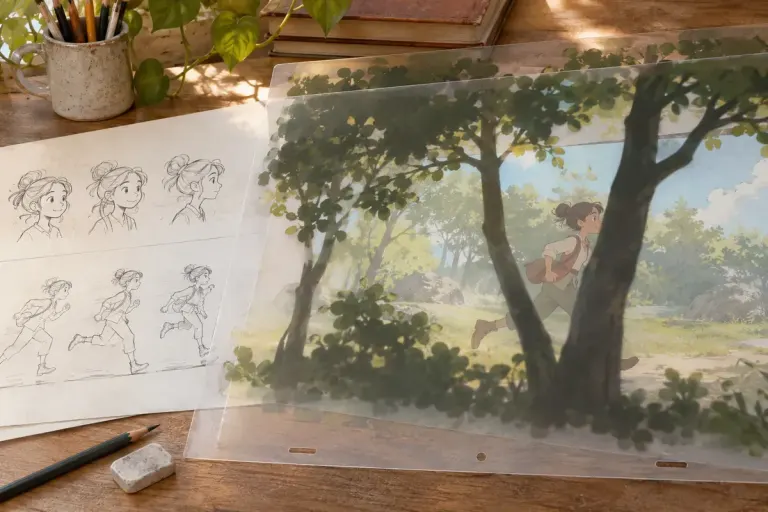
A foreground layer can make an animated character feel embedded in a scene. Try a simple three-layer exercise to see how occlusion creates depth.
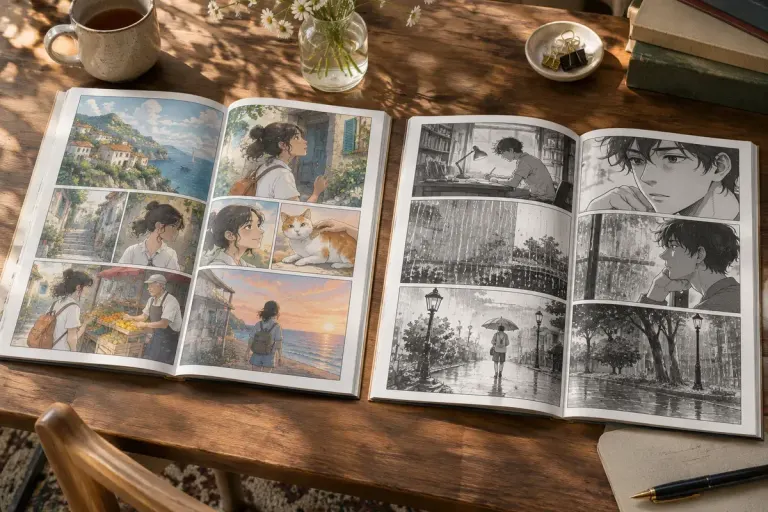
Colour artwork can be reproduced differently across manga editions. Check the chapter opening, publisher description and edition details before assuming a page is missing.
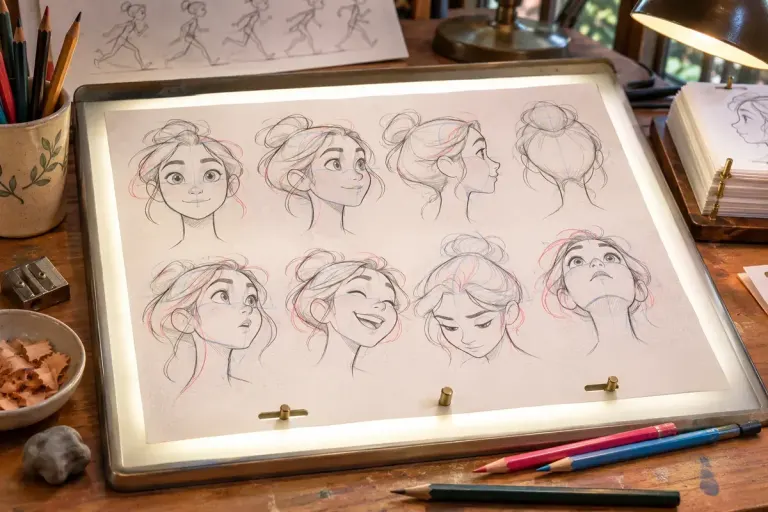
Animation directors review and correct drawings across a production. Learn how on-model consistency works without treating every expressive distortion as a mistake.
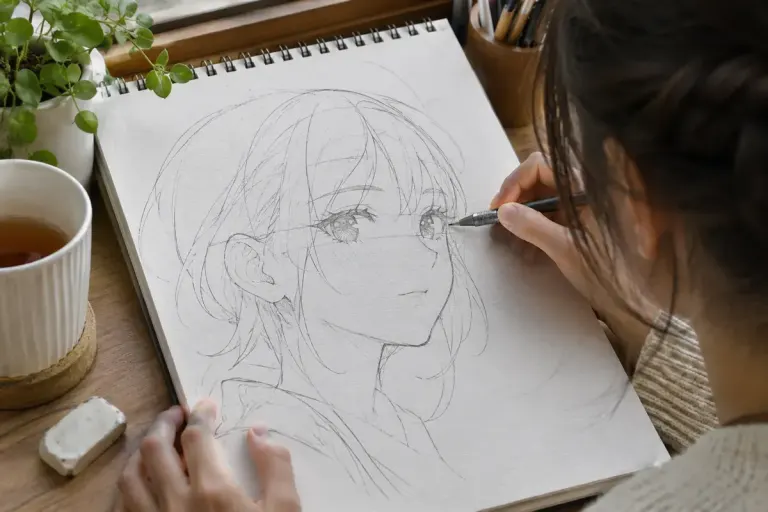
Turning a manga face changes the relationship between the eyes, nose and centre line. A simple construction exercise helps keep that turn believable.

The historical multiplane camera separated artwork physically. Its machinery reveals production choices that a finished animated shot alone cannot prove.
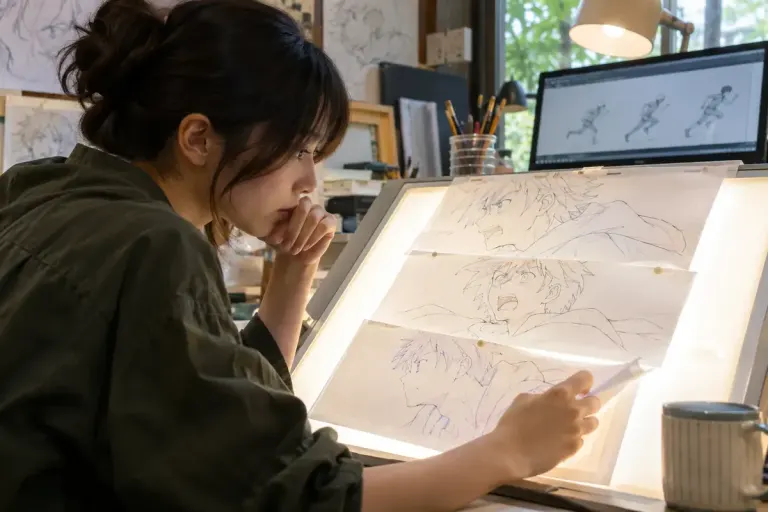
Explore how anime fans use sakuga, then watch a short sequence for timing, posing and movement instead of looking for one signature effect.
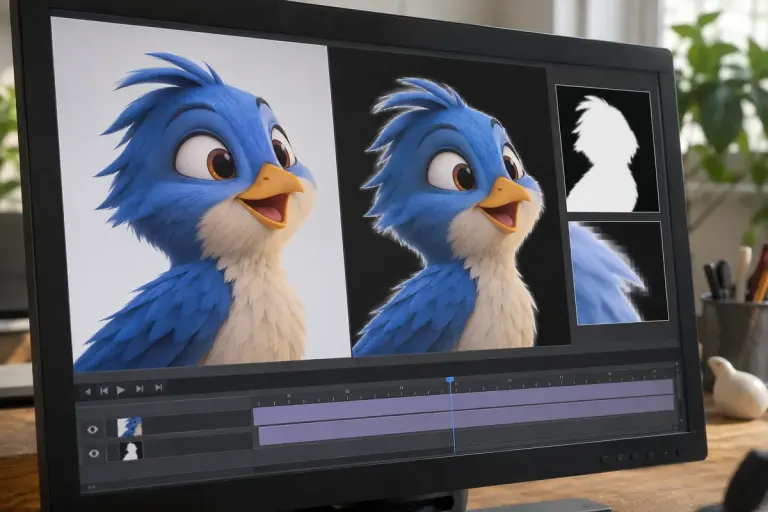
A dark edge around an animation layer may come from alpha interpretation. Check straight and premultiplied settings before repainting the artwork.

A colour spill can begin with a tiny break in an outline. Learn how closed regions and invisible gap strokes help an animator colour a drawing cleanly.