Animation Craft
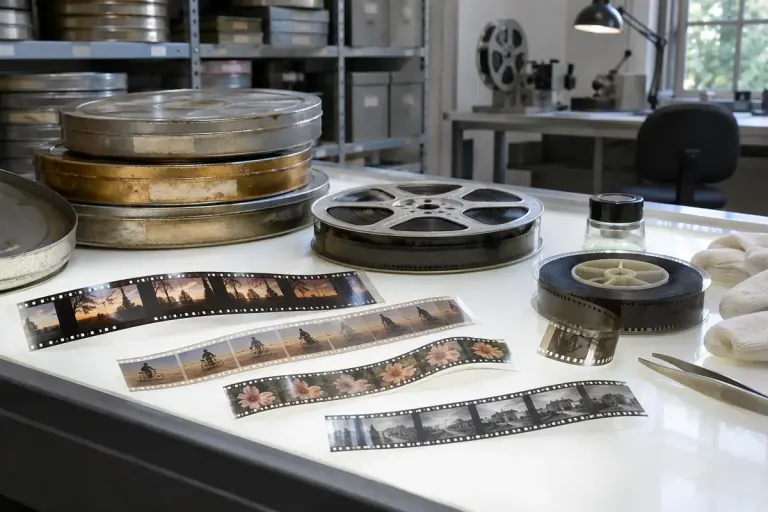
An Optical Printer Rephotographs Film to Build a New Image
Optical printing combines projection and rephotography in film effects. Explore its role in compositing and image transformation without mistaking it for a paper printer.

Watch closely. Read a little further.
Optical printing combines projection and rephotography in film effects. Explore its role in compositing and image transformation without mistaking it for a paper printer.
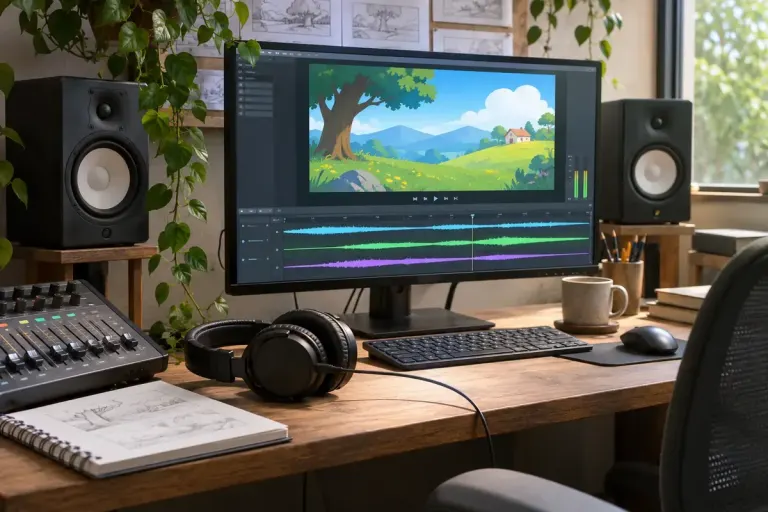
An anime can place a sound inside its story even when the source is outside the frame. Learn to distinguish off-screen sound from an external score.
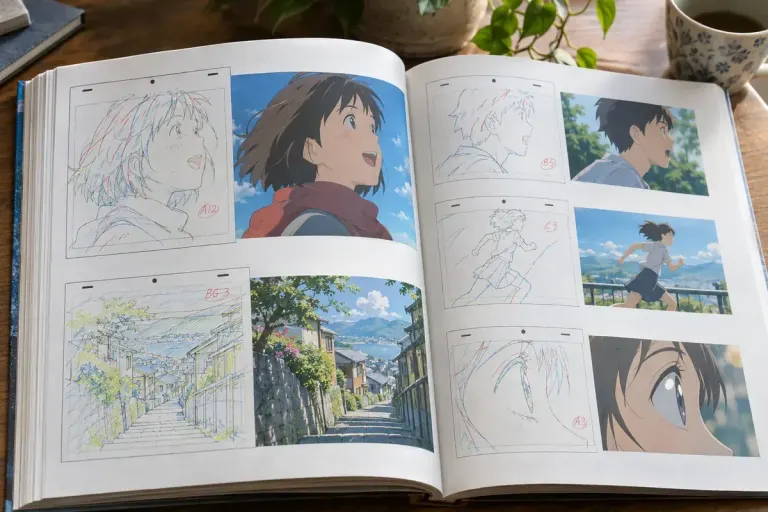
A gengashu can reveal animation drawings that a finished episode hides. Learn how to compare it with storyboards, setting books and screen-image collections.
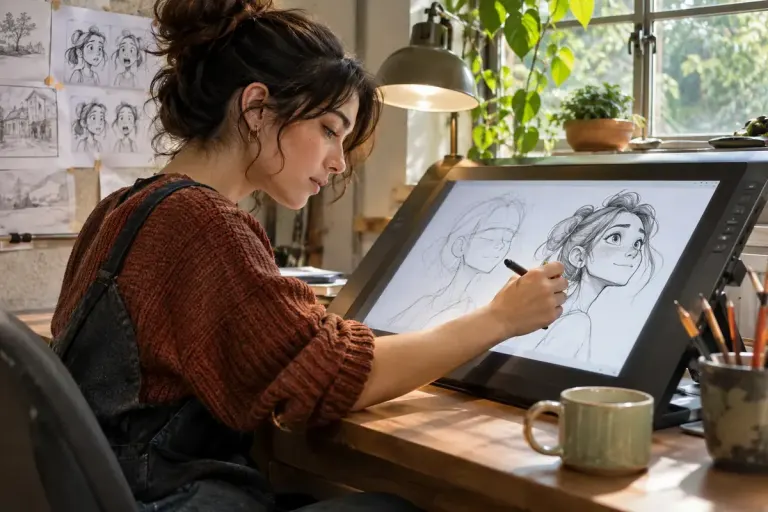
Tie-down drawings refine rough animation while preserving its action. Look for consistent forms and readable construction before mistaking detail for progress.
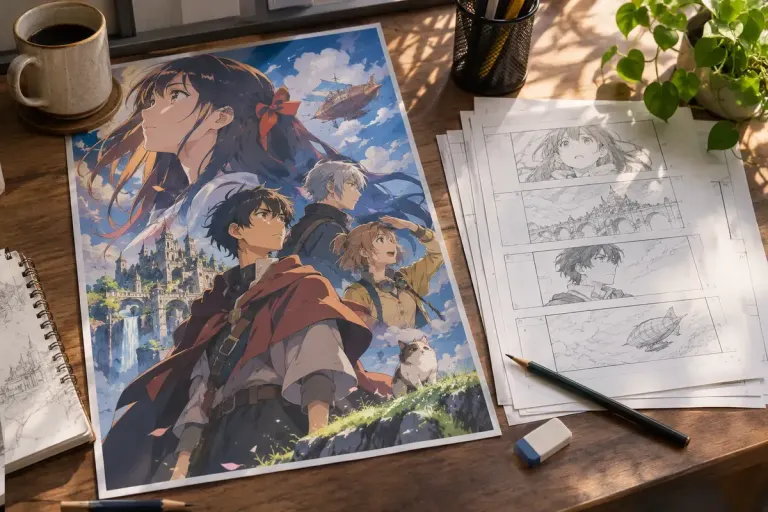
A key visual is promotional artwork for an anime production. Read its composition and official context without treating every detail as a scene spoiler.
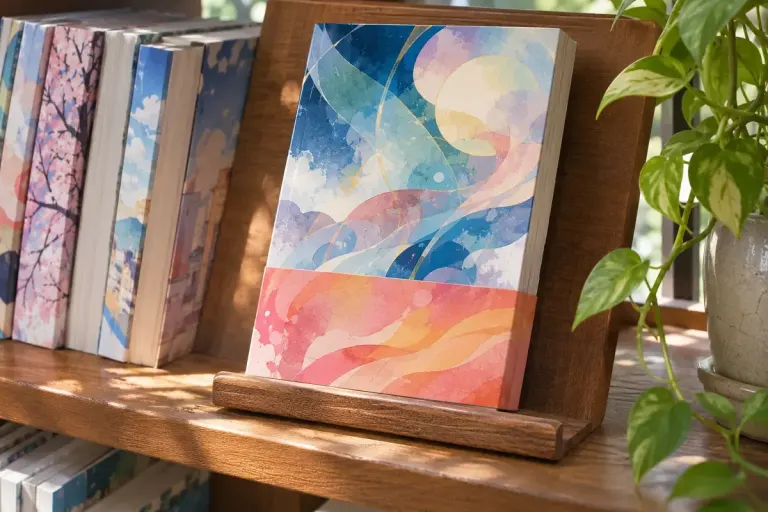
The paper band around a Japanese manga volume is an obi. Read its promotional claims separately from the story and keep edition details with the book.
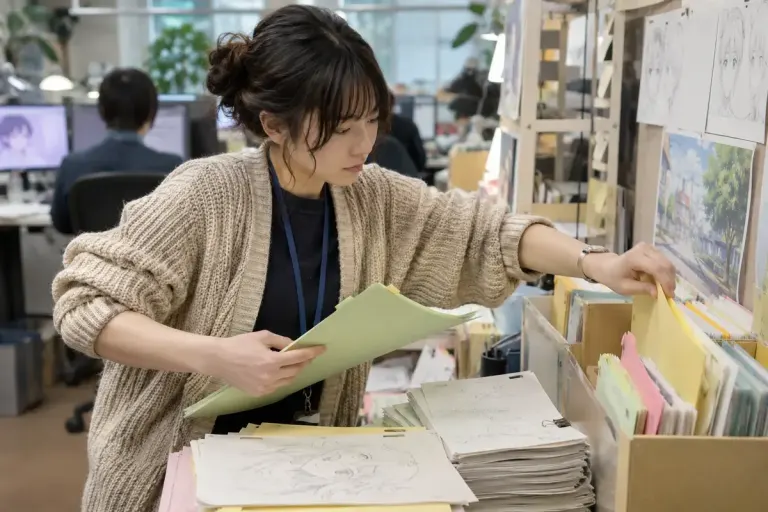
Anime production depends on materials, revisions and schedules moving between people. Look beyond the drawing credits to understand production support.
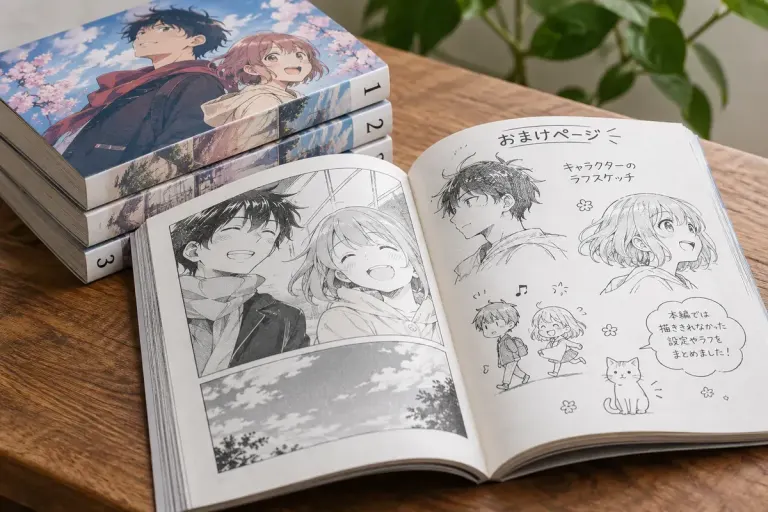
Compare manga editions by their bonus pages, afterwords and booklets, and keep those extras separate from the main chapter sequence when discussing a story.
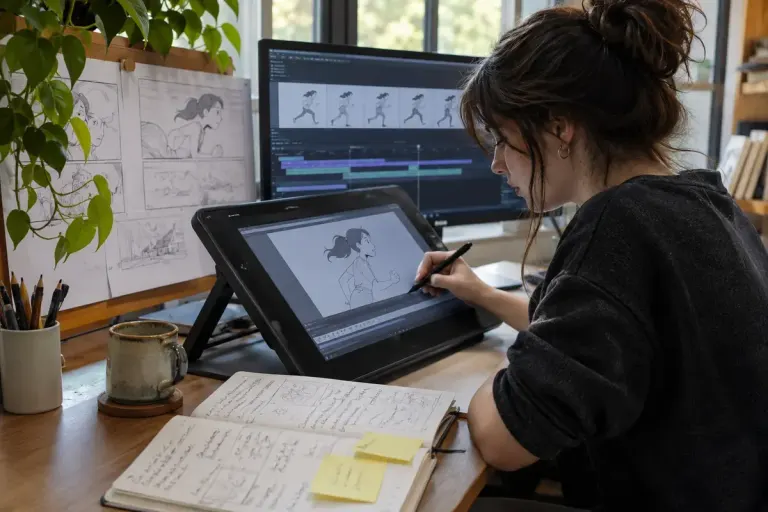
A useful animation retake identifies a shot, a moment and a correction. See how precise notes help an artist revise without losing the scene’s intention.